


Origin and Popularity of the Side Eye Meme
The side eye trend started long before emojis existed. Humans have always used side-eye expressions as a natural signal for doubt or judgment. In the world of memes, these expressions became legendary—viral reaction faces like side-eyeing Chloe, dramatic pets, confused kids, and awkward stare moments have shaped the meme universe.
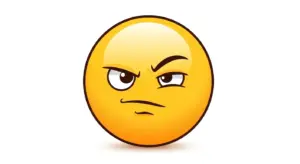
As meme culture exploded, side-eye became a global reaction symbol. People used it to express disbelief, sarcasm, or a silent “I don’t buy that.” Soon emojis adopted the same expression, giving users a quick way to deliver that classic skeptical look.
Its popularity is based on one simple reason: everyone can relate to it. The side eye captures those everyday moments where a single look says more than a whole paragraph.
Meaning and Usage of the Side Eye Emoji
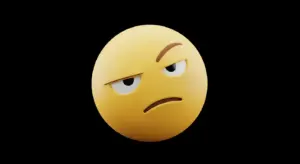
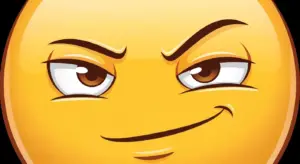
The main purpose of the side eye emoji is to express a reaction—usually sarcastic, doubtful, or slightly judgmental. It’s perfect for situations where someone’s statement doesn’t feel convincing or the vibe is off.
Depending on context, it can mean:
- “Really? That’s what you’re going with?”
- “I don’t believe this.”
- “Hmm… interesting story.”
- “Something feels off here.”
- “This doesn’t add up.”
It’s subtle, direct, expressive, and sometimes beautifully shady. Instead of overexplaining a reaction, this emoji does the job effortlessly. Whether you’re calling out a lie, teasing someone, or highlighting something awkward, it always delivers the perfect mood.
Common Contexts for Using the Side Eye Meme
The side eye meme works in almost every type of digital conversation, which is why it’s so widely used. Common scenarios include:
- When a friend starts drama for no reason
- When someone’s story sounds suspicious
- When someone is clearly exaggerating
- When someone gives a weak excuse
- When a person acts overly confident without reason
- When you’re quietly observing chaos
- When someone’s behavior instantly feels off
- When you want to highlight something ridiculous
Its timing is what makes it iconic. Used at the right moment, it completely sets the mood of the conversation.
To see a classic example, check out the viral Black Kid Side Eye Meme, a fan favorite across the internet.
Variations of the Side Eye Meme Emoji
The world of side eye memes isn’t limited to one expression. There are many variations, each giving a different vibe:
- Soft Side Eye: Light suspicion or confusion
- Sharp Side Eye: Intense judgment or disbelief
- Animal Side Eye: Dogs, cats, horses, monkeys—these reactions dominate the internet
- Standard Emoji Side Eye: Minimal, clean, and perfect for text chats
- 3D Emoji Variants: More detailed and expressive
- Cartoon Side Eye: Animated and playful
- Sticker & GIF Side Eyes: Popular across messaging apps
Each version adds a different flavor, allowing you to match the exact level of sarcasm or shade you want to send.
Cultural Impact and Viral Moments
The side eye meme has had a massive impact on online culture. Every year, new viral faces emerge from random moments—kids making suspicious faces, pets giving dramatic expressions, celebrities reacting during interviews. These clips and photos spread instantly, turning into memes that take over social media.
Brands, influencers, and creators all use side-eye reactions because they grab attention, add humor, and instantly express an opinion without sounding harsh.
At this point, the side eye meme isn’t just a reaction—it’s a cultural signal. It represents everything that feels questionable, funny, confusing, fake, dramatic, or simply unbelievable in the most entertaining way possible.
How to Use the Side Eye Emoji in Conversations
Using the side eye emoji strategically can make any conversation more fun and expressive. You can use it when:
- A story doesn’t make sense
- Someone gives a weak explanation
- A statement feels exaggerated
- A situation becomes bizarre
- Someone’s confidence doesn’t match reality
- You’re silently watching the drama unfold
The best placement is usually at the end of a sentence.
Example:
“Sure… that totally sounds believable”
This little emoji works like seasoning—just enough to add a sharp, sarcastic twist.
Differences Between Side Eye Meme and Other Eye Emojis
Even though many eye-related emojis look similar, they don’t express the same mood:
- Eyes Emoji: Curious, watching quietly, observing
- Eye-Roll Emoji: Annoyed, bored, or unimpressed
- Unamused Emoji: Disappointment, low energy reaction
- Side Eye Emoji: Suspicious, sarcastic, judgmental, playful
Using the wrong emoji can completely change the tone of your message, so choosing the right one matters.
Tips for Creating Your Own Side Eye Memes
If you want to create side-eye memes that actually perform well, follow these simple tips:
- Use high-quality images
- Pick expressions that look naturally unimpressed
- Keep captions short and punchy
- Choose relatable situations—people love realism
- Avoid too much text; minimal captions hit harder
- Pet reactions get incredible engagement
- Clean colors and contrast make memes pop
- Try different moods: soft, sharp, funny, confused
Even simple memes can go viral if the expression and caption match perfectly.
Where to Find Side Eye Meme Emojis and Stickers
Side eye emojis, GIFs, and stickers are available everywhere:
- WhatsApp sticker packs
- Telegram sticker sets
- Instagram’s GIF search
- TikTok sticker tools
- Meme libraries on social platforms
- Reaction apps
- And of course, our full Popular Reaction Meme on the homepage